
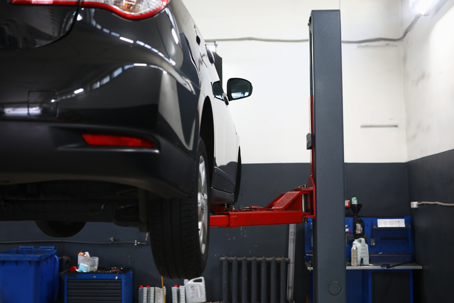
If a mechanic ever told you "no problem found" after you brought in your car for a strange noise, shake, or warning light, you are not alone. Many drivers hear this phrase and wonder if they imagined the issue or if the shop simply missed it. This confusion is common with new car lemons, and it can leave you feeling stuck and unsure of your next step.
If your car keeps having the same problem and the dealer keeps saying it's fine, don't wait. Call (949) 390-9695 or fill out our online contact form today to protect your rights before your warranty runs out.
Why Mechanics Sometimes Say No Problem Found
A "no problem found" note means the technician could not recreate the issue while the car was in the shop. This does not always mean the problem is gone. It often means the defect only shows up under certain conditions, like cold mornings, highway speeds, or long drives.
Cars are complex machines with thousands of parts working together. Some defects are what mechanics call intermittent, meaning they come and go without warning. Just because a mechanic cannot see it happen does not mean it is not real or that it will not happen again.
Common Reasons a Defect Is Hard to Catch
Some vehicle problems are simply harder to diagnose than others. Here are a few reasons a shop might miss a real defect during a short test drive or inspection:
- The issue only happens after the engine has been running for a while and needs time to heat up.
- The problem depends on the weather, such as rain, humidity, or extreme heat or cold.
- The defect is triggered by a specific speed, road condition, or type of driving, like stop-and-go traffic.
- The technician did not have enough time to fully test the vehicle during a quick visit.
- The problem is electrical and does not always trigger a warning light or error code.
Even though these issues are hard to catch, they are just as real as a problem that shows up every time. A pattern of repeat visits for the same complaint is often more telling than any single test drive.
Why This Matters for Your Rights
California's lemon law exists to protect people who buy or lease a vehicle that turns out to have a defect the manufacturer cannot fix. Under this law, a car may qualify as a lemon if it has a serious problem that affects its safety, value, or use, and the problem is not fixed after a reasonable number of repair attempts.
Here is the tricky part. If a shop marks your visit as "no problem found," that repair attempt might not always count toward the number of tries needed for your case. This is why documentation matters so much and why understanding lemon law becomes so important when you are dealing with a car that will not stop acting up.
What to Do When You Hear No Problem Found
Getting this response from a dealer can feel discouraging, but there are steps you can take to protect yourself. Being proactive now can make a real difference later if your case moves forward.
- Write down the exact date, time, and conditions when the problem happened, such as weather or speed.
- Take a video or photo of the issue if it happens again, especially warning lights or strange noises.
- Ask the service department to note your complaint in writing, even if they cannot duplicate it.
- Always request a copy of the repair order, even when no problem was found.
- Keep a simple log of every visit, including mileage and what was said to you.
This kind of record-keeping builds a paper trail. If your case does move forward, this information can help show a clear pattern of an ongoing defect rather than a single odd moment.
How Many Repair Attempts Are Enough
California law generally looks at whether a vehicle has been in for repair three or more times for the same problem, or out of service for a combined 30 days or more. These numbers can shift depending on the specific issue, especially if it involves a serious safety concern like brakes or steering.
A "no problem found" visit can still be useful, even if it does not count as an official repair attempt. It shows that you reported the issue and gave the manufacturer a chance to address it. Keeping every single visit on record, successful or not, helps build the full picture of your car's history.
When It Might Be Time to Talk to a Lawyer
Not every repeated repair visit means you have a lemon law case, but a pattern of unresolved issues is worth looking into. If your vehicle has been back to the shop more than once for the same complaint, or if a serious safety issue keeps getting dismissed, it may be time to get an outside opinion. A conversation with a Laguna Beach lemon law attorney can help you understand where you stand.
Many people wait too long because they assume "no problem found" means the case is closed. In reality, this phrase is often just one part of a longer story that a trained eye can help you piece together. Getting guidance early can also help you avoid mistakes that might weaken your position down the road.
What Information to Gather Before You Reach Out
Before you speak with anyone about your vehicle's history, it helps to have your information organized. This makes any conversation about your case faster and more productive.
- All repair orders and invoices, even the ones that say no problem found.
- Your original purchase or lease agreement and warranty paperwork.
- Any text messages or emails between you and the dealer or manufacturer.
- A written timeline of when the problem started and how often it has happened.
Having these documents ready does not mean you are committing to anything. It simply means you will be prepared to have a clear and informed conversation about your options.
Getting Answers About Your Laguna Beach Lemon Law Options
A "no problem found" result on a repair order can feel like a dead end, but it rarely tells the whole story. Defective vehicles often hide their symptoms during short visits, and a pattern of repeat complaints can matter more than any single test drive. Understanding your rights is the first step toward getting your situation resolved.
O’Connor Law Group, P.C. works with drivers across Laguna Beach and throughout California who are dealing with vehicles that just will not behave the way they should. If you are tired of hearing "no problem found" and want a clearer picture of your options, reach out through our online contact form or call (949) 390-9695 to talk about your situation.